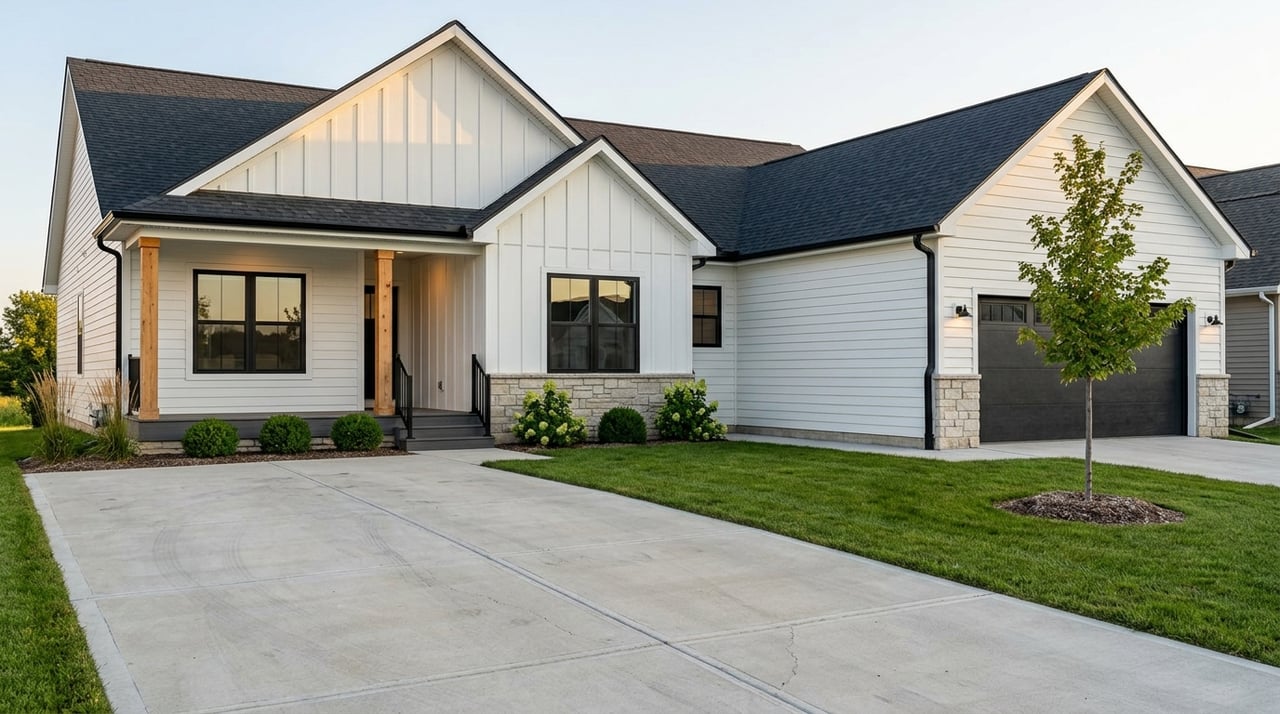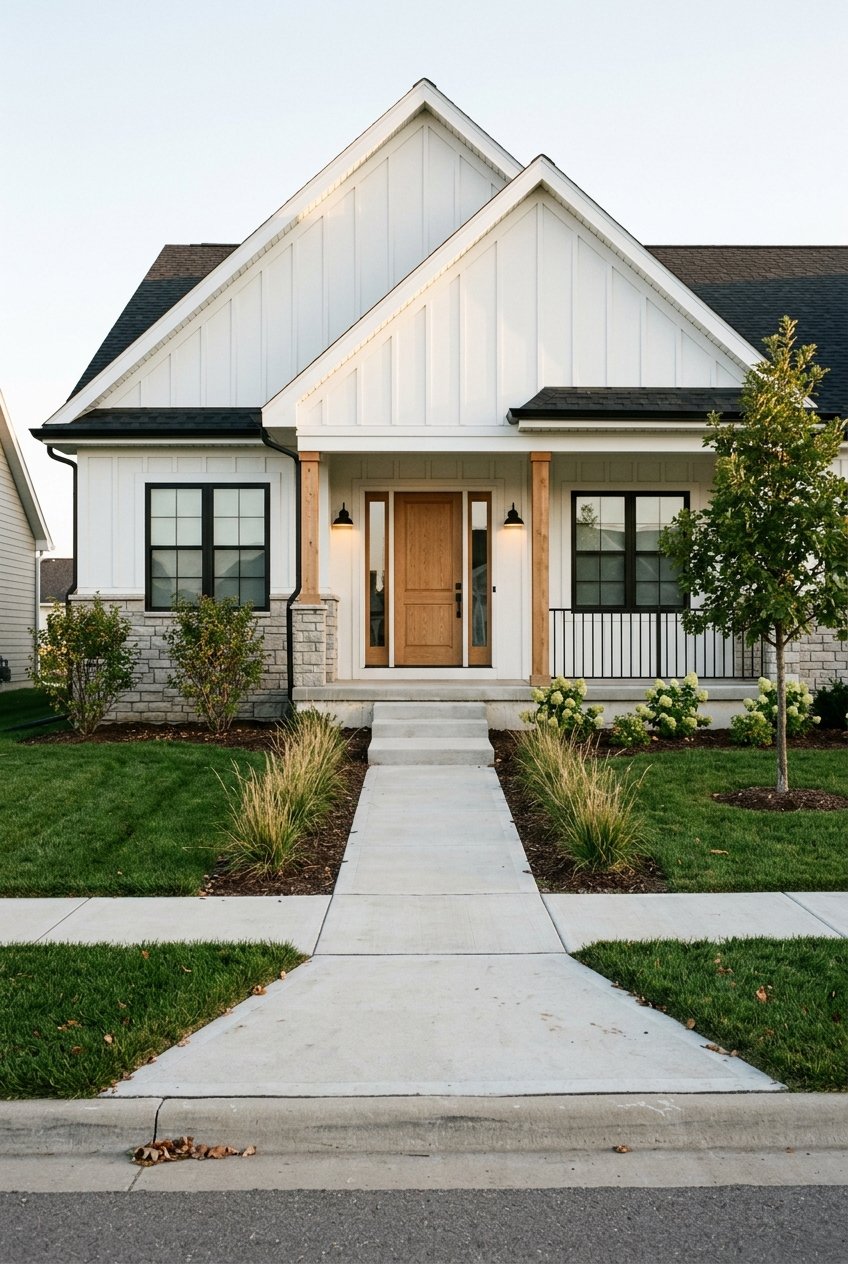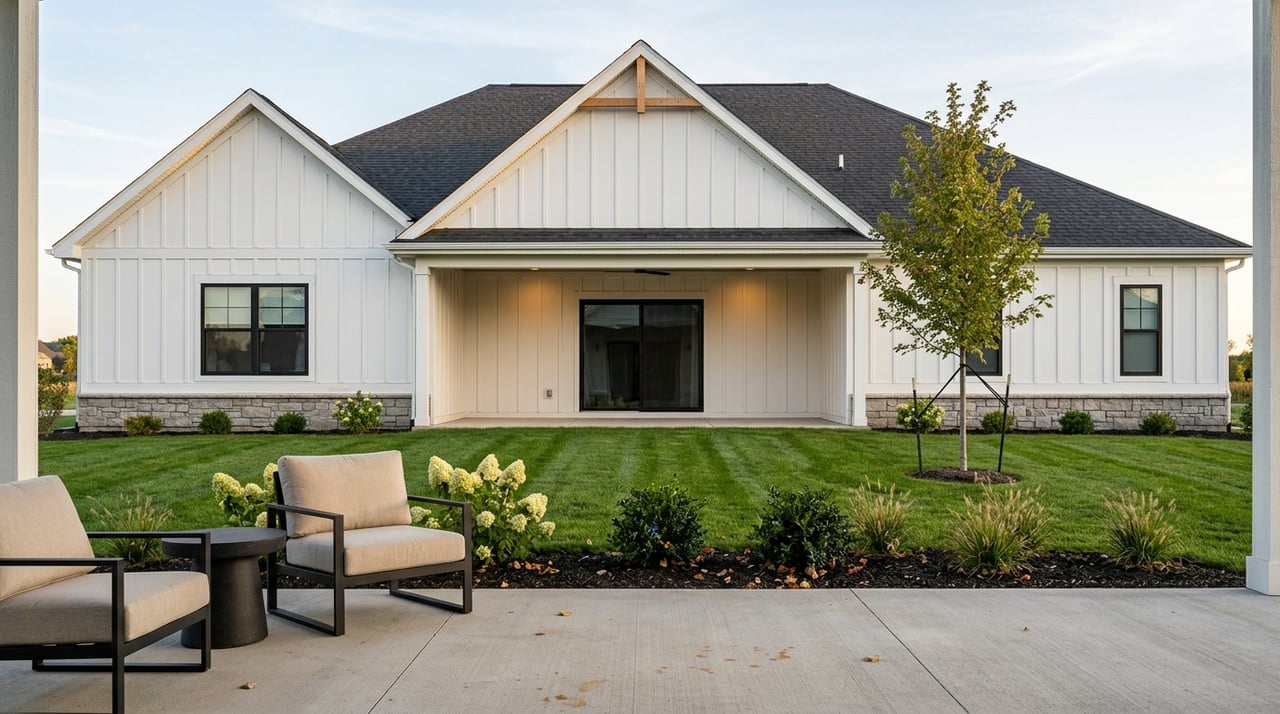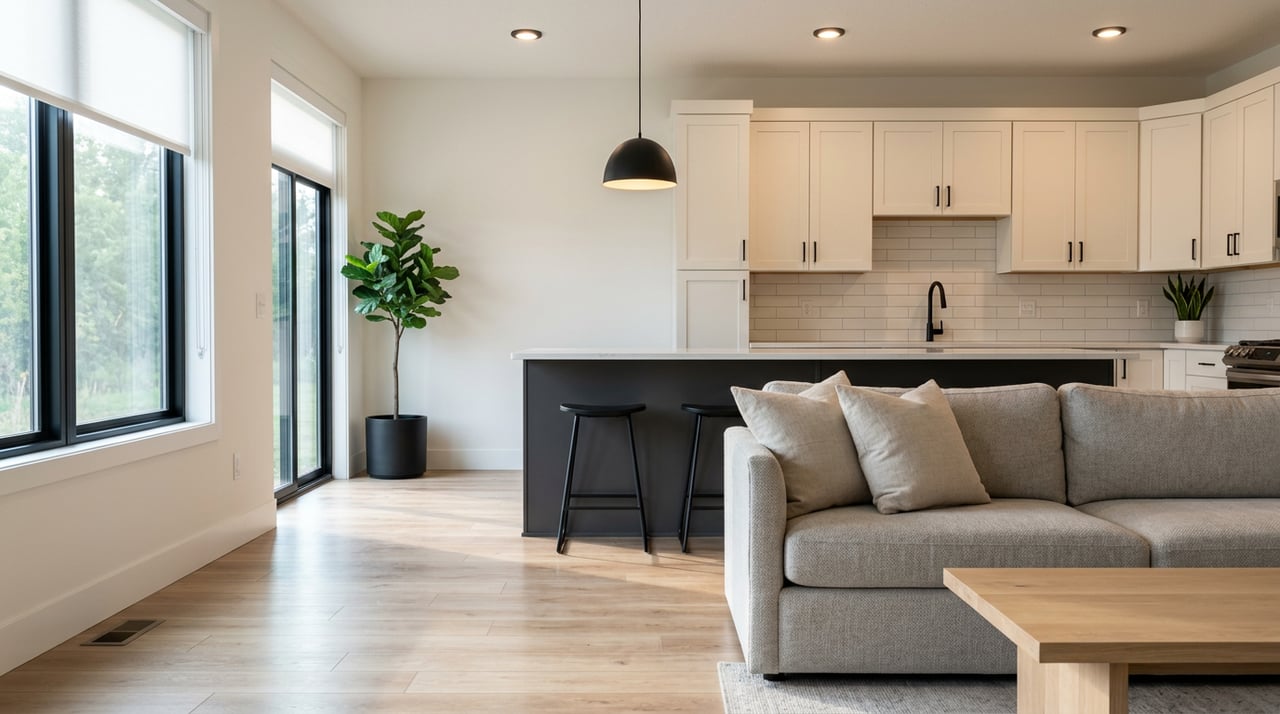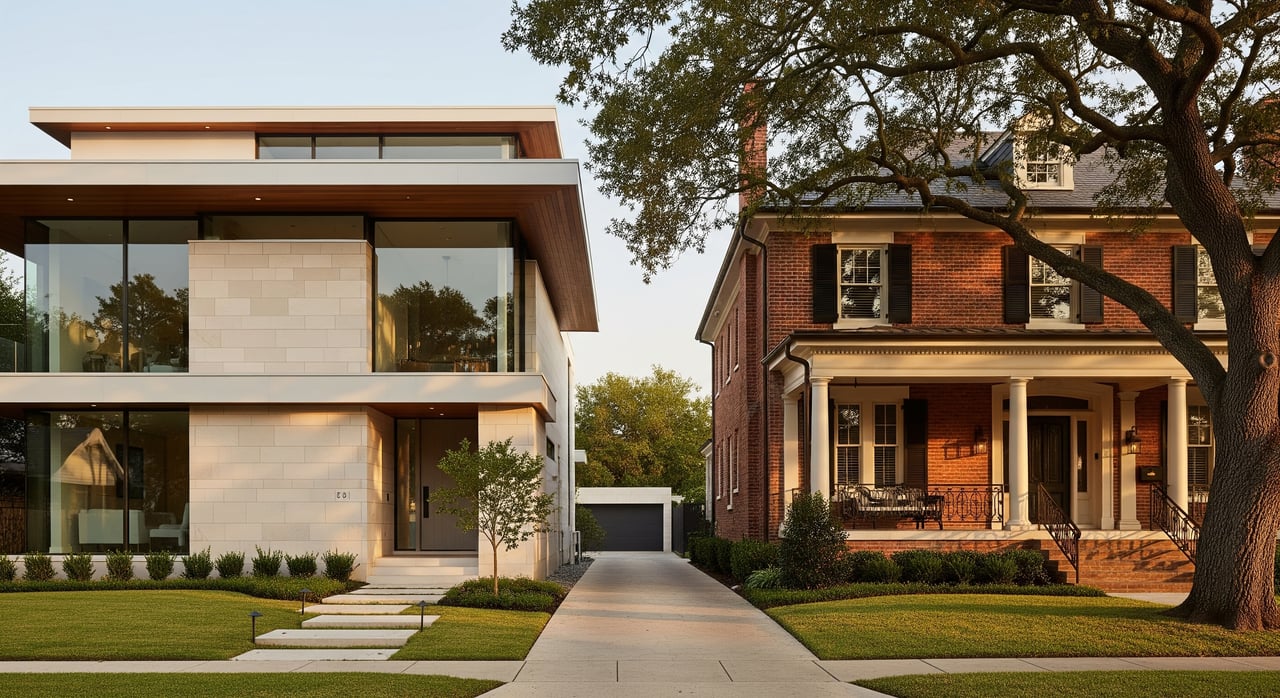
Trying to decide between building a new home or buying a resale in Gretna? You’re not alone. Many buyers compare these options to match their timing, budget, and lifestyle. In this guide, you’ll learn the key differences in costs, timelines, financing, and more so you can move forward with confidence. Let’s dive in.
Gretna snapshot
Gretna sits on the southwest edge of Omaha in Sarpy County. Many buyers choose the area for neighborhood options, access to Gretna Public Schools, and proximity to Omaha employment centers.
Typical commute times to downtown Omaha range from about 25 to 40 minutes depending on traffic and your exact starting point. Major routes like I-80 help keep drives predictable, though new subdivisions on the periphery can add a few minutes.
If schools play a role in your decision, confirm the current boundary maps for your exact address since new growth can shift lines.
Timeline and availability
New construction timing
You can choose from spec homes, build-to-order in a subdivision, or fully custom builds. Finished spec homes can often close in 30 to 60 days. A build from contract to keys can take 4 to 12 months or more depending on the builder, lot prep, permits, supply chain, and trade schedules.
Resale timing
Resale purchases typically close in 30 to 45 days, or faster with cash. Inspections and repair negotiations can add time, but the overall process is usually shorter than building.
What this means for you
If you must move by a specific date, like a job start or the start of a school term, a resale or a near-complete spec home gives you the most predictable path.
Total cost comparison
New construction costs
Expect a base home price plus lot premium, upgrades and options, landscaping, driveway, and certain utility and permit fees. Some items often not in the base price include window coverings, select appliances, fencing, sod or landscaping, decks or patios, and finishing the basement.
Builders may offer incentives like closing cost help, rate buydowns, or free upgrades. These can be attractive, especially on spec homes. Over time, new systems can lower early maintenance costs, though taxes and assessments in new subdivisions may rise after reappraisal.
Resale costs
Resale pricing reflects location, age, finishes, and existing improvements like fences or mature landscaping. You may negotiate seller concessions for closing costs or repairs. Factor in potential renovation or updates if the home is older or the layout does not match your needs.
Appraisals and budgeting
Resales usually appraise against recent comparable sales. New builds can face appraisal challenges if the subdivision is brand new or if buyer-paid upgrades do not fully translate into appraised value. Plan your budget around the full, all-in cost rather than a base price.
Financing paths
Construction loans for new builds
A construction loan typically funds the build in draws with interest-only payments, then converts to a permanent mortgage or refinances into a separate loan. These products can require larger down payments, detailed builder contracts, and specific inspections before funds are released.
Traditional loans for resales
Conventional, FHA, and VA loans are common for resale purchases and often close in 30 to 45 days. Standard inspection and appraisal contingencies apply and can impact the timeline.
Warranties and inspections
New construction protection
Many builders follow a 1-2-10 type warranty framework: 1 year on workmanship, 2 years on mechanical systems, and 10 years on structural elements. Always review the written warranty for coverage, timelines, and claim steps. Even with builder inspections, hire an independent inspector for pre-drywall and final walks, and keep a documented punch list.
Resale due diligence
With resales, you typically order a full home inspection and can add specialists for HVAC, roof, radon, or other concerns. There is no implied warranty unless the seller provides one. Budget for immediate repairs or updates as needed.
Lot and neighborhood factors
New build lots
Lots with walkout basements, cul-de-sacs, or greenbelt views can carry premiums. Confirm any special assessments for infrastructure or amenities. Newly graded lots can settle, so ask about drainage, grading, and related warranty coverage. Verify utility connections for municipal water and sewer versus private systems if you are considering outlying parcels. Check FEMA flood maps for any flood risk and potential insurance.
Established resale lots
Resale properties can offer mature trees, established grades, and finished landscaping, which can save you on immediate outdoor costs. Older lot features, like retaining walls or large trees, may require maintenance.
Energy efficiency and maintenance
New construction advantages
New homes are built to current codes with improved insulation, windows, HVAC efficiency, and water-saving fixtures. Appliances and systems often have manufacturer warranties, which can help keep early ownership costs steady.
Resale updates
Older homes can benefit from energy upgrades like windows, insulation, or HVAC replacement. You can tackle these over time and prioritize based on budget and comfort needs.
Resale value factors
New construction resale
Modern layouts and fresh systems can attract future buyers. In large subdivisions with many similar homes, you may face more competition at resale. Lot quality and street placement will matter a lot for long-term appeal.
Resale neighborhood strength
Established neighborhoods with proven demand and mature surroundings can hold or grow value over time. Look at the absorption rate and any planned new phases nearby, since heavy new supply can affect appreciation.
Gretna-specific checks
Schools and services
Confirm school boundaries for the exact lot or address. Consider proximity to parks, recreational facilities, and after-school programs if those services are important to you.
Commute and transportation
Balance newer subdivisions and larger lots with the added minutes they can introduce to your Omaha commute. Test your drive during peak hours and note access to I-80 and other regional routes.
Utilities, sewer, and septic
Verify whether the property uses municipal water and sewer. Many Gretna locations do, but parcels farther out may rely on private systems. Ask about any planned utility extensions that could change long-term costs.
Permits, assessments, and HOAs
For new builds, check permit timelines. Ask developers about special assessments for roads, sidewalks, or amenities. Review HOA covenants, fees, and architectural rules for things like fencing, sheds, and exterior colors.
Builder ecosystem and reputation
Research the builders active around Gretna. Look for clarity on what the base price includes, warranty responsiveness, and overall quality. Independent inspections and references from recent buyers can help.
Decision framework: which path fits you
Use these lenses to guide your choice.
Timing
- Fixed move date in the next 1 to 3 months: focus on resales and finished or near-finished spec homes.
- Flexible 4 to 12+ months: consider build-to-order or custom.
Budget
- Compare all-in costs for new builds: base price, lot premium, upgrades, landscaping, appliances, driveway, and potential assessments.
- For resales, estimate immediate repairs or upgrades and see how they impact your monthly payment.
Financing
- Construction loans can have stricter requirements and staged draws.
- Traditional loans for resales often provide a simpler path to closing.
Customization
- New builds let you choose floor plans, finishes, and lot location.
- Resales trade customization for speed and established neighborhoods.
Risk tolerance
- New builds can face delays due to permits, materials, or trades.
- Resales offer quicker closings but may include unknown maintenance.
Lifestyle
- Consider yard size, privacy, HOA rules, school boundaries, and commute. Weigh newer amenities against mature trees and established streetscapes.
Step-by-step next moves
- Get clear on your target move date and must-haves.
- Talk to a lender about both construction and traditional loan options.
- Tour a mix of resales and spec homes to compare timing and finishes.
- Price your all-in number for new construction, including upgrades and outdoor costs.
- Verify utilities, special assessments, and HOA rules for each community.
- If building, plan for independent inspections at pre-drywall and final.
- If buying resale, schedule a full inspection and any needed specialists.
When you are ready to compare specific Gretna neighborhoods and builders, a local guide can save you time and stress. For tailored advice, reach out to Heartland Realty Group LLC. Our team supports both new construction and resale purchases and can help you match your plan to your timeline, budget, and lifestyle.
FAQs
How long does a new home build take in Gretna?
- Spec homes can often close in 0 to 3 months if complete, while production or custom builds usually range from about 4 to 12+ months depending on permits, site work, and materials.
What warranties do Gretna builders offer?
- Many follow a 1-2-10 model covering workmanship, systems, and structure on different timelines, but terms vary, so review the written warranty and claim steps before you sign.
Will a new build cost more than a resale home?
- Often yes on a per-square-foot basis once you add lot premiums and upgrades, though maintenance and energy costs may be lower early on; compare the full all-in cost.
Can I negotiate with builders the same way as resales?
- Builders tend to be more flexible on incentives like closing cost help, rate buydowns, or upgrades, especially on spec homes or in softer markets.
What inspections should I order for new construction?
- Hire an independent inspector for at least a pre-drywall and a final inspection, and consider additional tests like radon if needed.
Do new homes in Gretna appreciate faster than resales?
- Appreciation depends on demand, lot quality, and supply in the micro-market; newness alone does not guarantee faster gains.