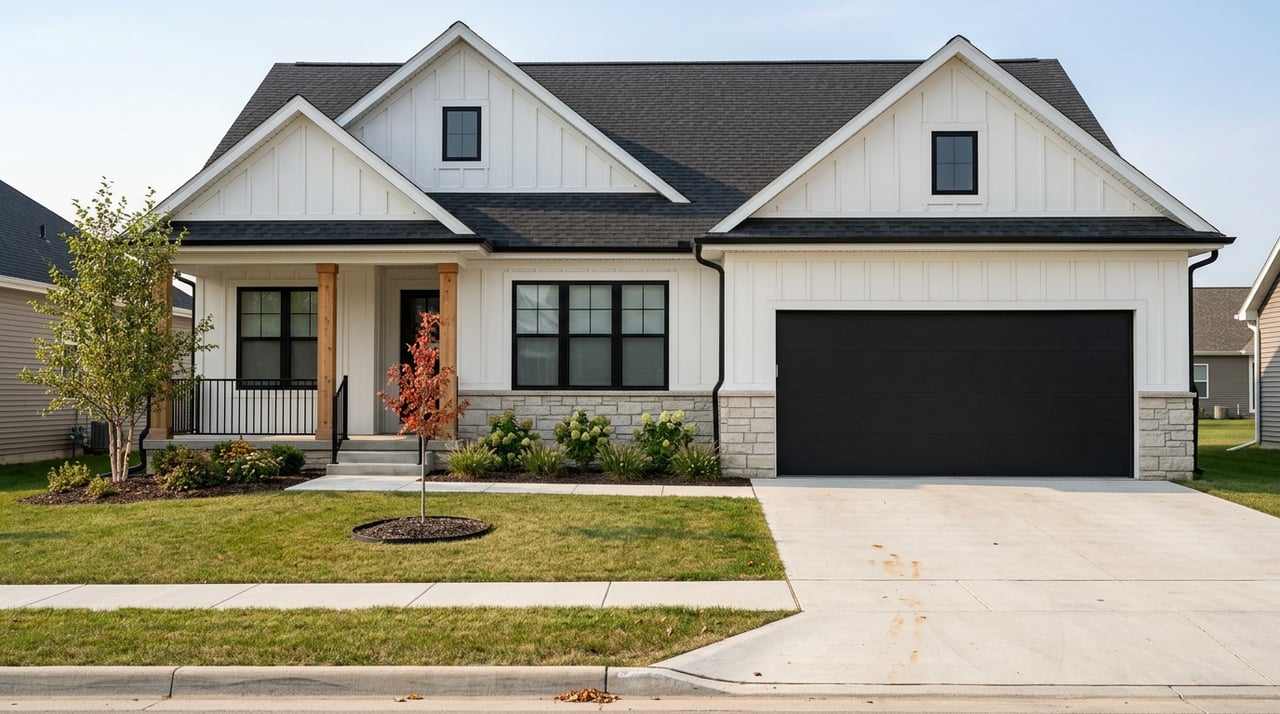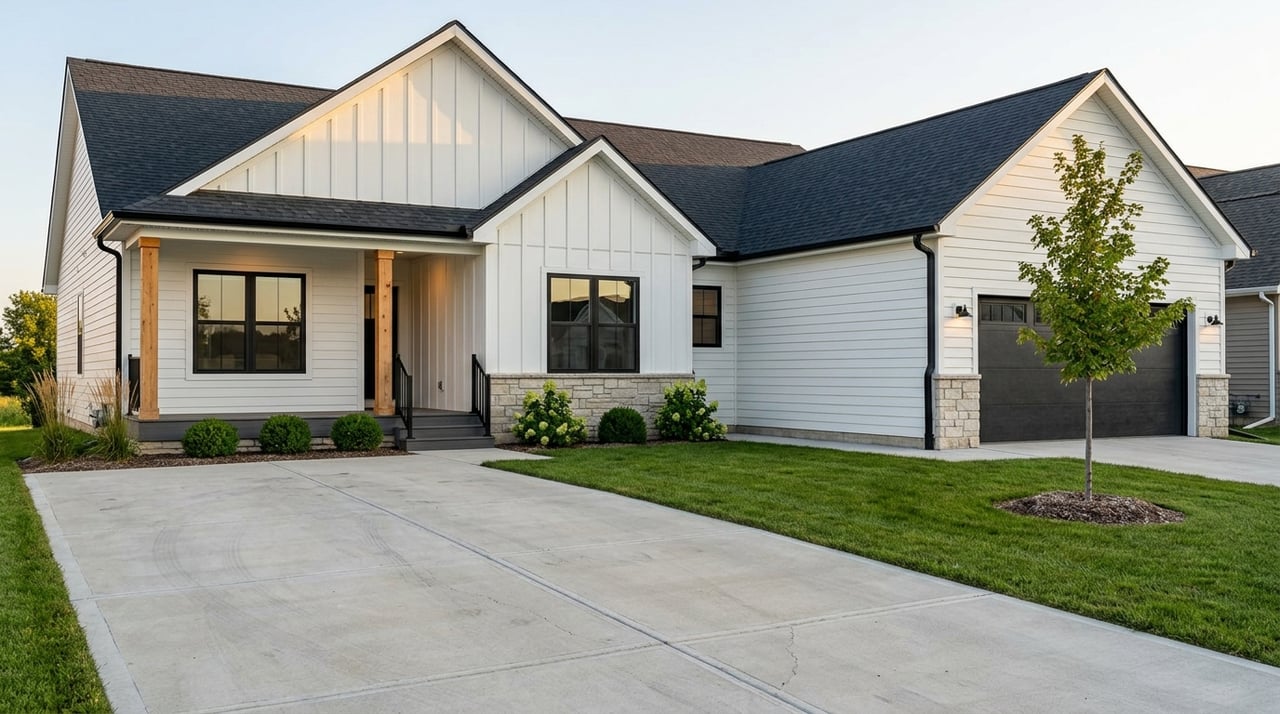
Thinking about selling your Omaha rental but worried about the tax hit? With the right plan, you can use a 1031 like-kind exchange to defer capital gains and depreciation recapture when you roll sale proceeds into another investment property. If you are a small investor or an accidental landlord, this can protect your equity and keep your money working. In this guide, you will learn how a 1031 works, the exact deadlines, Douglas County recording steps, and the common pitfalls to avoid. Let’s dive in.
1031 basics for Omaha sellers
A Section 1031 exchange lets you defer federal taxes when you sell investment or business real estate and buy other like-kind real property held for investment or productive use. Since 2018, only real property qualifies for exchanges. Personal property does not qualify. You can review the federal rules in IRS Publication 544.
The practical flow is simple when you plan early. You engage a qualified intermediary before or at closing so you never receive the sale proceeds. You sell the rental, identify replacement property within the window, buy the replacement on time, and report the exchange to the IRS on Form 8824. The IRS explains timing and reporting in the Instructions for Form 8824.
Critical 1031 deadlines
Two hard deadlines control every exchange. You must identify your replacement property in writing within 45 days after you transfer the property you sold. You must acquire the replacement by the earlier of 180 days after the sale or the due date of your federal return for that tax year. See the detailed timing rules in the Instructions for Form 8824.
Here is a simple example to make it concrete. If your Omaha rental sale closes on June 1, 2026, your 45-day identification deadline is July 16, 2026. Your 180-day exchange deadline is November 28, 2026. Build your calendar the day you close so nothing slips.
Identifying your replacement property
The IRS gives you three ways to properly identify what you plan to buy. Your written ID must clearly describe each property and be delivered to your qualified intermediary or another party to the exchange before day 45. The rules include the three-property rule, the 200 percent rule, and the 95 percent exception. You can find the identification standards summarized in the Instructions for Form 8824.
- Three-property rule: identify up to three properties regardless of value.
- 200 percent rule: identify any number of properties if their combined value is not more than 200 percent of the value of what you sold.
- 95 percent exception: if you list more than allowed above, you must acquire at least 95 percent of the aggregate value you identified.
The role of a qualified intermediary
A qualified intermediary, often called a QI, is essential in most deferred exchanges. The QI holds or controls the proceeds so you do not have the right to use them. If you receive or control the funds, it is called constructive receipt and your exchange can fail. The IRS explains the importance of avoiding control of proceeds in its guidance published in the Internal Revenue Bulletin. Choose your QI early and make sure purchase and sale documents allow assignment to the QI and route all funds correctly.
Exchange structures you may use
Forward exchange
This is the most common path. You close the sale, your QI holds the proceeds, you identify within 45 days, and you buy the replacement within 180 days. Title and escrow instructions must match the QI’s process so you never receive the funds. Timing and reporting are covered in the Instructions for Form 8824.
Reverse exchange
In a tight market, you might want to buy the replacement first. A safe harbor reverse exchange uses an Exchange Accommodation Titleholder, often called an EAT, under Rev. Proc. 2000-37. There are strict steps, including a written agreement within 5 business days, a 45-day identification window, and a 180-day limit to complete the structure. Reverse exchanges are more complex and carry extra costs. See the safe harbor outline in Rev. Proc. 2000-37.
Improvement exchange
You can improve or build on the replacement property during the exchange with a specialized parking arrangement. These are technical and require experienced professionals. Many of the safe harbor details also trace back to Rev. Proc. 2000-37.
Nebraska recording and documentary stamp
In Nebraska, documentary stamp tax and county recording rules still apply even when you use a 1031. In Douglas County, you submit the Real Estate Transfer Statement, known as Form 521, with deeds at recording. The Nebraska Department of Revenue has published guidance on how forward and reverse exchanges are treated for documentary stamp purposes, including what the county needs to review if a reverse structure uses an EAT. See the state’s directive on like-kind exchanges from the Nebraska Department of Revenue.
Effective September 3, 2025, state law changed the documentary stamp tax rate and allocation under LB78. Counties continue to collect at recording and require completed Form 521 with deeds. You can review the law changes in LB78 and general regulations in the state’s documentary stamp tax regulations. The Douglas County Register of Deeds processes recordings for Omaha and requires the completed transfer statement with your deed. For office details and procedures, see the county recorder information summarized on Douglas County’s recorder page.
Step-by-step Omaha checklist
Pre-listing
- Connect with a CPA or tax attorney and select a qualified intermediary before you list. Early engagement helps you avoid constructive receipt and sets your calendar. The IRS discusses QI treatment in the Internal Revenue Bulletin.
- Organize rent rolls, leases, operating statements, maintenance and improvement records, and utility and tax histories. A clean package speeds buyer diligence and helps your QI and tax pro model the exchange.
Listing and contract
- Note seller’s intent to perform a 1031 in your marketing if you prefer, and keep details private for escrow instructions.
- Include a simple 1031 cooperation and assignment clause so the QI can be assigned and funds can be routed properly.
During escrow
- After you close the sale, confirm the QI has the proceeds and start your 45-day identification clock. Deliver your written identification to the QI before the deadline. The format is described in the Instructions for Form 8824.
- For reverse exchanges, make sure the EAT and QEAA documents are in place and accessible for any county recording review. See Rev. Proc. 2000-37 for the safe harbor framework.
Closing and recording in Douglas County
- Coordinate with title so Form 521 accompanies the deed and the Nebraska documentary stamp tax is paid, unless a valid exemption applies. The Nebraska DOR explains documentation and exemptions in its like-kind exchange directive and in Chapter 52 regulations.
- Double-check deed certifications and any exemption boxes, and provide supporting exchange agreements if a reverse structure is involved to avoid recording delays.
After closing
- Report the exchange on IRS Form 8824 with your tax return for the year the exchange began. Bring both closing statements to your tax professional. See the Instructions for Form 8824 for what to include.
Common pitfalls to avoid
- Missing the 45-day and 180-day deadlines. These dates are strict. Set calendar reminders on day one. See the timing rules in the Instructions for Form 8824.
- Touching the proceeds. If you have the right to use the funds, the exchange can be disqualified because of constructive receipt. Use a reputable QI. The IRS discusses this in the Internal Revenue Bulletin.
- Mortgage boot surprises. If your replacement loan is lower than the debt you paid off, the difference can be taxable unless you add cash. The reporting framework is outlined in the Instructions for Form 8824.
- Nebraska recording snags. Some reverse exchange transfers can be exempt, but only with the right documentation and Form 521 entries. The state’s guidance explains documentation standards for county recorders in the Nebraska DOR directive.
Partner with a local 1031-savvy team
You deserve a smooth, on-time exchange with clear steps from list to record to replacement closing. Our team coordinates early with your QI, title, and lender, keeps your calendar tight, and packages your property to attract serious investor buyers. If you are considering selling a rental and using a 1031 anywhere in the Omaha metro, let’s talk through your goals and timing. Connect with Heartland Realty Group LLC to get started or request a free home valuation.
FAQs
What qualifies as like-kind property in a 1031 exchange?
- Only real property held for investment or productive use qualifies since 2018, and personal property does not qualify, as outlined in IRS Publication 544.
How do the 45-day and 180-day deadlines work if I close late in the year?
- You must identify within 45 days, and you must acquire by 180 days or your tax return due date for that year, whichever comes first, per the Instructions for Form 8824.
Do I still owe Nebraska documentary stamp tax in a 1031 exchange?
- Yes, the tax is generally due at recording unless a specific exemption applies, and Douglas County requires Form 521; see the Nebraska DOR’s like-kind exchange directive.
What is mortgage boot in a 1031 and how can I avoid it?
- If your replacement property has less debt than the relinquished property, the difference can be taxable unless you add cash to offset it, as described in the Instructions for Form 8824.
Can I buy my replacement property before selling in Omaha?
- Yes, through a reverse exchange that uses an Exchange Accommodation Titleholder under the safe harbor in Rev. Proc. 2000-37, but it is more complex and costlier.
Who files with the IRS after my 1031 exchange?
- You, the taxpayer, must report the transaction on IRS Form 8824 for the year the exchange began, following the Instructions for Form 8824.